


In
In this comprehensive guide, we embark on a journey through the best power meters of 2024, illuminating the advancements, innovations, and standout features that define this year’s top contenders. From the revolutionary capabilities of dual-sided power meters to the nuanced insights offered by single-sided variants, we delve into the realm of power data with a keen eye on enhancing your
Whether you’re a seasoned competitor striving for podium glory or a recreational rider seeking to elevate your fitness journey, the power meter remains an indispensable tool in your arsenal. Join us as we explore the cutting-edge technologies, user-friendly interfaces, and performance-enhancing benefits that define the pinnacle of power meter excellence in 2024.
How We Selected The Best Power Meters
Selecting the top power meters requires a blend of expertise and real-world testing. As we reveal the best power meters of 2024, it’s essential to shed light on how we arrived at our picks.
Our approach is straightforward: thoroughness, fairness, and a grasp of cyclists’ diverse needs. Armed with industry insights, user feedback, and hands-on experience, we’ve crafted a method that resonates with both elite riders and casual enthusiasts.
Here’s How We Did It:
Power Meter Basics: The best power meters rely on strain gauges, measuring tiny deflections in
cycling components as you pedal.Choosing the Right Power Meter for You: We considered factors like accuracy, ease of use, and value for money to ensure our picks cater to various rider preferences.
Compatibility: We assessed compatibility with different bike setups, ensuring our recommendations fit seamlessly into your
cycling setup.Batteries: We evaluated battery life and ease of replacement, prioritizing power meters that keep you riding without interruptions.
Portability: We considered the weight and size of each power meter, favoring compact options that won’t weigh you down.
Durability: We looked at build quality and resistance to the elements, selecting power meters that can handle the rigors of everyday riding.
What We Tested

- Dual-sided
- Accuracy: +/- 1%
- Battery Life: 50 hours
- Pair weight: 303g

- Dual-sided
- Accuracy: +/- 1%
- Battery Life: 120 hours
- Pair weight: 320g

- Dual-sided
- Accuracy: +/- 1%
- Battery Life: 75 hours
- Pair weight: 276g

- Dual-sided
- Accuracy: +/- 1.5%
- Battery Life: 250 hours
- Pair weight: 750g

- Dual-sided
- Accuracy: +/- 1.5%
- Battery Life: 200 hours
- Pair weight: 544g

- Dual-sided
- Accuracy: +/- 1.5%
- Battery Life: 200 hours
- Pair weight: 769g (52-36T)
Let’s get into the details!
Favero Assioma Duo Power Meter Pedals

The Favero Assioma Duo Power Meter Pedals epitomize the marriage of cutting-edge
Pros
Easy Installation: Installing the Assioma Duo pedals is a breeze. With no protruding elements or complicated setup procedures, I had them attached to my bike and ready to roll in minutes.
Rechargeable Batteries: The convenience of rechargeable batteries cannot be overstated. With a single charge offering up to 50 hours of use, I no longer worry about constantly replacing batteries or running out of power mid-ride.
Cutting-Edge Technology: Favero Electronics has truly outdone themselves with the Assioma Duo. The pedals utilize smart, cutting-edge
cycling technology to maximize the efficiency of each pedal stroke, providing precise watt measurements with unmatched certainty.Dual-Sided Option: Opting for the Duo version, I’ve been able to access power data from both pedals, offering a comprehensive understanding of my performance and allowing for more targeted training sessions.
Compatibility: The Assioma pedals communicate seamlessly via Bluetooth and ANT+ with a wide range of bike computers and smartphones, ensuring compatibility with both Android and iOS devices.
Cons
Price: While the Assioma Duo pedals are undeniably top-of-the-line, they do come with a higher price tag compared to some other power meter options on the market. However, considering the level of accuracy and convenience they offer, I believe the investment is well worth it for serious cyclists.
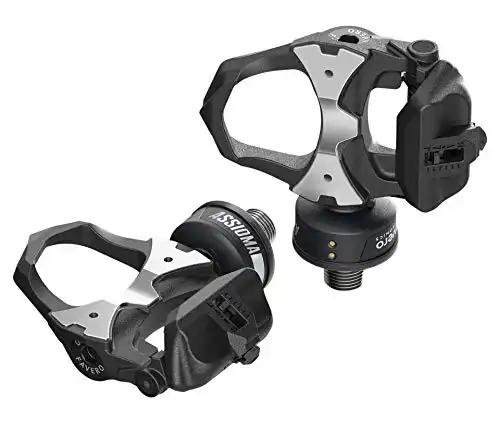
The Favero Assioma Duo Power Meter Pedals have exceeded my expectations in every aspect. From easy installation to reliable performance and compatibility with various devices, these pedals have become an indispensable tool in my training arsenal. Whether you’re a seasoned cyclist or a recreational rider looking to enhance your performance, I highly recommend considering the Assioma Duo for your
Garmin Rally RS200 Pedal-Based Power Meter

The Garmin Rally RS200 Pedal-Based Power Meter sets a new standard in
Pros
Superior Pedal Design: The Rally RS200 pedals feature a superior design that installs effortlessly like any other pedal, ensuring compatibility with SHIMANO SPD-SL cleats. This ease of installation makes transferring between bikes a breeze, allowing for seamless integration into your
cycling setup.Dual-Sensing Technology: Equipped with dual-sensing technology, the RS200 measures total power, cadence, left/right balance, seated versus standing, platform center offset, and power phase. This comprehensive data provides invaluable insights into your riding efficiency and biomechanics, empowering you to make targeted improvements to your performance.
Affordable Option with Upgrade Potential: The RS200 offers an affordable entry point into power meter technology, with the option to upgrade to a dual-sensing system for enhanced data analysis. This flexibility ensures that riders can customize their setup according to their evolving needs and budget.
Seamless Integration with Garmin Ecosystem: The Rally RS200 seamlessly integrates with the Garmin ecosystem, allowing for easy software updates via Garmin watches, Edge
cycling computers, or compatible smartphones. This ensures that you always have access to the latest features and improvements, enhancing the overall user experience.Data Analysis and Sharing: With the Garmin Connect app and compatibility with platforms such as Strava, TrainingPeaks, and Zwift, the RS200 enables comprehensive post-ride analysis, data sharing, mapping, and route planning. This robust ecosystem enhances your training experience and facilitates collaboration with fellow cyclists.
Cons
Compatibility Limitation: While the RS200 is compatible with SHIMANO SPD-SL cleats, riders using other cleat systems may encounter compatibility issues. This limitation could potentially restrict the pedal’s appeal to a subset of cyclists who use SPD-SL cleats.
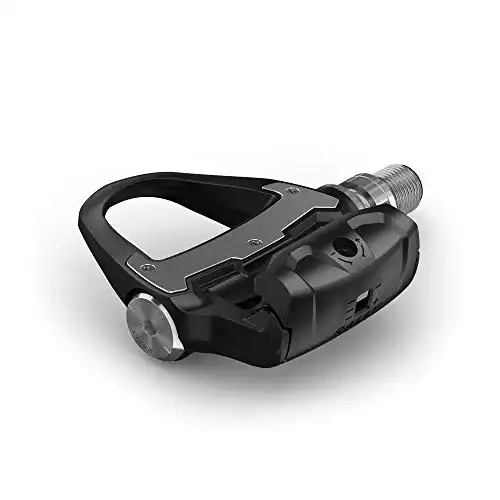
The Garmin Rally RS200 Pedal-Based Power Meter offers a compelling blend of accuracy, versatility, and connectivity, making it an ideal choice for cyclists seeking to elevate their performance. With its superior design, dual-sensing technology, and seamless integration with the Garmin ecosystem, the RS200 delivers an exceptional user experience that is sure to enhance your
Wahoo POWRLINK ZERO Dual-Sided Power Meter Pedals

The Wahoo PowrLink Zero Power Meter Pedals represent a leap forward in
Pros
Efficient Data Collection: The PowrLink Zero pedals feature dual-sided power meter technology, allowing for the efficient collection of power data from both pedals. This comprehensive approach provides a holistic view of your power output, enabling you to fine-tune your training and performance.
Total Power Calculation: Total Power is calculated by combining the power output from each pedal, providing an accurate representation of your overall effort. This allows for precise tracking of your performance metrics, ensuring that you can monitor your progress and make informed training decisions.
Long-lasting Rechargeable Battery: With a rechargeable battery offering up to 75+ hours of life, the PowrLink Zero pedals provide lasting power for your rides. The convenience of a rechargeable battery eliminates the need for frequent battery replacements, allowing you to focus on your
cycling without interruptions.Temperature-Resistant Accuracy: These pedals deliver accurate power measurements across a range of temperatures, ensuring consistent performance in varying riding conditions. Whether you’re tackling steep climbs or blazing down descents, you can trust that the PowrLink Zero pedals will provide reliable data to guide your efforts.
Automatic Calibration: The PowrLink Zero pedals feature automatic calibration, simplifying the setup process and ensuring accurate data capture with minimal effort. This user-friendly approach allows you to focus on your ride without the hassle of manual calibration procedures.
Insightful Left-Right Balance: The left-right balance feature provides valuable insight into your power distribution, helping you identify and address any imbalances in your pedal stroke. By optimizing your power distribution, you can improve efficiency and maximize your
cycling performance.Built on Speedplay Pedal Platform: Built on the cutting-edge Speedplay pedal platform, the PowrLink Zero pedals offer a combination of performance, reliability, and innovation. This trusted platform provides a solid foundation for the power meter technology, ensuring seamless integration and consistent performance on the road.
Cons
Compatibility Limitation: While the PowrLink Zero pedals offer compatibility with the Speedplay pedal platform, riders using other pedal systems may encounter compatibility issues. This limitation could potentially restrict the appeal of the pedals to a subset of cyclists who use Speedplay pedals.
The Wahoo PowrLink Zero Power Meter Pedals deliver exceptional performance, reliability, and usability, making them an excellent choice for cyclists seeking to elevate their training and riding experience. With efficient data collection, long-lasting battery life, temperature-resistant accuracy, and insightful left-right balance measurement, these pedals provide the tools you need to reach your
Rotor 2INpower SL Dual Sided Road 2x Power Meter Crankset

The 2INpower SL Dual-Sided Road 2x Power Meter Crankset represents a pinnacle of precision and performance in
Pros
High-Performance Accuracy: With an impressive accuracy level of +/- 1.5%, the 2INpower SL crankset delivers precise power data, ensuring that every watt of your effort is captured with exceptional reliability. This high level of accuracy is indispensable for fine-tuning your training and achieving optimal performance on the road.
Dual Measurement Technology: Equipped with 2INpower SL dual measurement technology, this crankset provides comprehensive data on torque effectiveness, pedal smoothness, balance, and more. This detailed insight into your pedal stroke dynamics allows for targeted improvements in efficiency and technique, ultimately enhancing your
cycling performance.Optimized Architecture: The crankset features a new optimized architecture that improves the overall structure, enhancing durability and performance. This refined design ensures that the crankset can withstand the rigors of intense training and riding conditions, providing long-lasting reliability.
Combination Chainrings: With a combination of 52/36T chainrings, the crankset offers versatility for a wide range of riding scenarios, from high-speed sprints to sustained climbs. This flexibility allows you to adapt your gearing to suit varying terrain and riding preferences, optimizing your efficiency and comfort on the bike.
Rechargeable Battery: The crankset can be easily recharged using the included USB cable after approximately 250 hours of riding time. This convenient feature eliminates the need for frequent battery replacements, ensuring that you can focus on your riding without worrying about power interruptions.
Connectivity Options: The crankset offers seamless connectivity options via ANT+ and Bluetooth Smart, allowing you to effortlessly pair it with a wide range of
cycling computers, smartphones, and training apps. This versatile connectivity ensures compatibility with your preferred devices and software, enabling convenient data analysis and sharing.
Cons
Price: The 2INpower SL crankset comes with a higher price tag compared to some other power meter options on the market. While the investment may be substantial, the unparalleled accuracy and comprehensive data provided by this crankset justify the cost for serious cyclists committed to maximizing their performance.
The 2INpower SL Dual-Sided Road 2x Power Meter Crankset sets a new standard for precision, reliability, and performance in
Quarq DFour Dub Road Power Meter Crankset

The Quarq DFour DUB Road Power Meter Crankset embodies excellence in power measurement technology, offering cyclists unparalleled accuracy, reliability, and performance. As an enthusiast cyclist who values precision in training and racing, our team thoroughly tested this crankset and here’s our comprehensive review:
Pros
Carbon Construction: Crafted from carbon, the crank arms of the Quarq DFour DUB power meter ensure optimal stiffness, durability, and lightweight performance. This premium material choice enhances power transfer efficiency while minimizing weight, resulting in a responsive and efficient riding experience.
Spider Power Meter Design: Utilizing a spider power meter design, the Quarq DFour DUB crankset delivers precise power measurements with exceptional accuracy. This design ensures that every watt of your effort is accurately captured, providing invaluable data for analyzing and optimizing your performance.
Wide Compatibility: Compatible with 11-speed road drivetrains and SRAM DUB bottom brackets, as well as featuring a 110 BCD, the Quarq DFour DUB crankset offers versatile compatibility with a range of bike setups. This broad compatibility ensures that cyclists can seamlessly integrate the power meter into their existing drivetrain configuration.
Advanced Features: The crankset boasts a range of advanced features, including Bluetooth and ANT+ connectivity for easy data transfer and compatibility with a variety of devices and apps. Additionally, features like MagicZero automatic calibration, AxCad cadence sensor, and OmniCal automatic chainring calibration enhance the user experience and ensure accurate data capture.
Temperature Compensation: With 10K temperature compensation, the Quarq DFour DUB crankset maintains accuracy across a wide range of temperatures, ensuring consistent performance in varying riding conditions. This feature provides peace of mind for cyclists who train and race in diverse climates.
Waterproof Rating: The crankset is rated IPX7 waterproof, offering reliable performance even in wet and rainy conditions. This waterproof rating ensures that the power meter remains protected from water ingress, maintaining accuracy and functionality during inclement weather.
Price: The Quarq DFour DUB crankset comes with a lower price tag compared to some other power meter options on the market. The exceptional accuracy, advanced features, and durability offered by this crankset justify the cost for cyclists committed to optimizing their performance.
Cons
Technology: The Quarq DFour DUB doesn’t offer as much in-depth data as some of our other choices, but it’s a great option that offers a lot of insight at a great price.
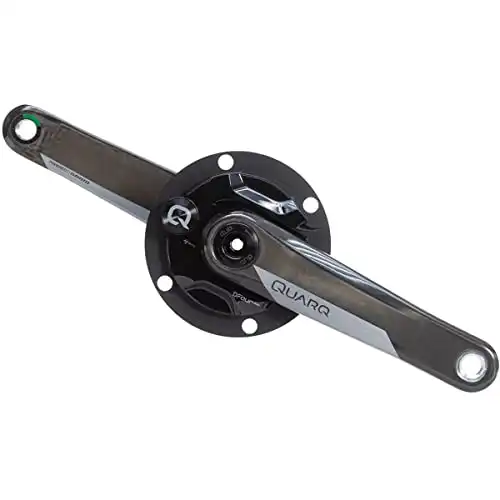
The Quarq DFour DUB Road Power Meter Crankset sets the standard for excellence in power measurement technology. With its carbon construction, spider power meter design, wide compatibility, advanced features, temperature compensation, and waterproof rating, this crankset offers the precision and reliability that cyclists demand for their training and racing endeavors.
Stages Power LR Shimano Ultegra R8100 Gen 3 Dual-Sided Power Meter Crankset

The Stages Power LR Shimano Ultegra R8000 Power Meter represents a powerful fusion of precision engineering and reliable performance, offering cyclists unparalleled insights into their riding metrics. As a team dedicated to optimizing our training and performance, we’ve extensively tested this power meter and are excited to share our comprehensive review:
Pros
Dual-Sided Power: The inclusion of dual-sided power measurement on the Ultegra R8000 crankset provides a comprehensive understanding of power distribution, ensuring that every aspect of your pedal stroke is accurately captured. This invaluable data allows for precise analysis and targeted improvements in efficiency and technique.
Lightweight Aluminum Construction: Crafted from lightweight yet durable aluminum, the Stages Power LR crankset strikes the perfect balance between performance and durability. The aluminum construction ensures optimal power transfer efficiency while withstanding the rigors of intense training and riding conditions.
Exceptional Accuracy: With an accuracy level of +/- 1.5%, the Stages Power LR crankset delivers precise performance readings, allowing for confident decision-making in training and racing scenarios. This high level of accuracy ensures that you can trust the data provided by the power meter to guide your efforts effectively.
Long Battery Life: The CR2032 coin cell battery offers an impressive lifespan of over 200 hours, providing extended usage without the need for frequent battery replacements. This long battery life ensures that you can focus on your riding without worrying about power interruptions, making it ideal for long-distance cyclists and multi-day events.
Versatile Connectivity: The Stages Power LR crankset is compatible with both ANT+ and Bluetooth connectivity, allowing for seamless integration with a variety of
cycling computers, smartphones, and training apps. This versatile connectivity ensures that you can easily access and analyze your ride data using your preferred devices and software platforms.
Cons
Price: While the Stages Power LR crankset offers exceptional performance and accuracy, it comes with a higher price tag compared to some other power meter options on the market. However, considering the dual-sided power measurement, lightweight construction, and long battery life offered by this crankset, the investment is justified for cyclists seeking reliable performance data.
The Stages Power LR Shimano Ultegra R8000 Power Meter sets a new standard for precision, reliability, and versatility in power measurement technology. With its dual-sided power measurement, lightweight aluminum construction, exceptional accuracy, long battery life, and versatile connectivity options, this power meter provides the tools you need to elevate your training and achieve your
Let’s now talk more about Best Power Meters.
How to Choose the Best Power Meter?

Choosing the best power meter is a crucial decision for cyclists looking to optimize their training and performance. With a plethora of options available on the market, selecting the right power meter requires careful consideration of several key factors. Here’s a comprehensive guide to help you make an informed decision:
1. Determine Your Needs and Goals
Before diving into the technical details of power meters, it’s essential to clarify your specific needs and goals as a cyclist. Are you a competitive racer aiming to improve your sprint power? Or perhaps you’re a recreational rider looking to enhance your overall fitness level? Understanding your objectives will guide your decision-making process and ensure that you select a power meter that aligns with your requirements.
2. Consider Your Budget
Power meters come in a wide range of prices, from budget-friendly options to high-end models with advanced features. Assessing your budget constraints upfront will help narrow down your choices and prevent you from overspending on unnecessary features. While it’s tempting to opt for the most expensive option, keep in mind that a more affordable power meter that meets your basic needs can still provide significant benefits.
3. Determine the Type of Power Meter
Power meters are available in various forms, including pedal-based, crank-based, spider-based, and hub-based designs. Each type has its own set of advantages and considerations:
Pedal-Based: Pedal-based power meters offer easy installation and compatibility with multiple bikes. They provide accurate power measurement and are convenient for riders who frequently switch between bikes.
Crank-Based: Crank-based power meters are integrated into the crank arms or spider of the crankset. They offer accurate and consistent power measurement and are compatible with a wide range of drivetrain configurations.
Spider-Based: Spider-based power meters are mounted on the crank spider and measure power directly from the crankset. They offer precise power measurement and are often favored by cyclists seeking maximum accuracy.
Hub-Based: Hub-based power meters are integrated into the rear wheel hub and measure power at the point where force is applied to the pedals. They provide accurate power measurement but may require wheel compatibility considerations.
4. Assess Accuracy and Precision
Accuracy and precision are critical factors to consider when choosing a power meter. Look for power meters with high accuracy ratings (typically expressed as a percentage) to ensure that your power data is reliable and consistent. Additionally, consider factors such as temperature compensation and zero-offset calibration capabilities, which can further enhance accuracy in varying riding conditions.
5. Evaluate Compatibility
Ensure that the power meter you choose is compatible with your existing bike setup, including frame, drivetrain, and accessories. Check compatibility with bottom brackets, cranksets, chainrings, and
6. Consider Additional Features
Beyond basic power measurement capabilities, many power meters offer a range of additional features to enhance your
7. Read Reviews and Seek Recommendations
Before making a final decision, take the time to read reviews and seek recommendations from fellow cyclists, coaches, and industry experts. Hearing firsthand experiences and insights can provide valuable perspective and help you make a more informed choice.
Choosing the best power meter requires careful consideration of your specific needs, budget, type of power meter, accuracy, compatibility, additional features, and user feedback. By following these guidelines and conducting thorough research, you can select a power meter that meets your requirements and empowers you to achieve your
Which Power Meters Work with Garmin and Other Cycle Computer Connectivity?
Several power meters are compatible with Garmin and other cycle computer connectivity. Here’s a list:
Favero Assioma Duo:
Garmin Rally RS200:
Best Pedals for Speedplay Cleats – Wahoo PowrLink Zero power meter pedals:
2INpower SL Dual Sided Road 2x Power Meter Crankset
DFOUR DUB Road Power Meter Crankset
Stages Power LR Shimano Ultegra R8000
These power meters typically support ANT+ and Bluetooth Smart connectivity, allowing them to pair with Garmin devices and other cycle computers seamlessly. You can find more detailed information about compatibility and features on the respective manufacturer’s websites.
Final Words
The landscape of power meters in 2024 offers a diverse array of options catering to the needs and preferences of cyclists at every level. From pedal-based to crank-based designs, the best power meters of 2024 showcase advancements in accuracy, reliability, and connectivity, empowering cyclists to optimize their training and performance like never before.
Whether you prioritize affordability, ease of installation, or comprehensive data analysis, there is a power meter available to suit your requirements. As technology continues to evolve, we can expect further innovations in power meter design and functionality, driving even greater improvements in
FAQs

What are single-sided power meters, and how do they differ from dual-sided ones?
Single-sided power meters measure power output from one side of the bike, typically the left crank arm or pedal. Dual-sided power meters measure power from both sides, providing a more comprehensive analysis of pedaling dynamics and balance. While single-sided power meters are more affordable, dual-sided options offer greater accuracy and insight into power distribution.
How do pedal power meters compare to other types of power meters?
Pedal power meters, such as the Garmin Rally RS200 or Favero Assioma DUO, measure power directly at the pedal spindle. This allows for easy installation and compatibility with different bikes. In contrast, crank-based power meters measure power at the crank arm or spider, offering accurate data but requiring more involved installation. Both types have their advantages, so the choice depends on individual preferences and needs.
What is a crank-based power meter, and why might it be preferable?
A crank-based power meter measures power at the crank arm or spider, typically providing accurate and reliable data. This type of power meter is favored by many cyclists for its robust construction, compatibility with various bikes, and consistent performance. Additionally, crank-based power meters often offer dual-sided measurement options for a more comprehensive analysis of power output.
How do most power meters communicate with a head unit or cycling computer?
Most power meters communicate with a head unit or
How do power meter pedals function, and what metrics do they measure?
Power meter pedals, like the Favero Assioma DUO or Garmin Rally RS200, measure power output directly at the pedal spindle. They also typically measure cadence, allowing cyclists to monitor their pedaling rhythm. Additionally, some power meter pedals offer advanced features such as left-right balance analysis and pedal smoothness metrics, providing valuable insights into pedaling technique and efficiency.
What is functional threshold power (FTP), and how does it relate to power meters?
Functional threshold power (FTP) is the highest average power a cyclist can sustain for one hour without fatiguing. Power meters play a crucial role in determining FTP by providing accurate data on power output during training rides and tests. By tracking FTP over time, cyclists can gauge improvements in fitness and tailor their training accordingly.
Are Garmin Rally pedals compatible with other power meters or cycling computers?
Garmin Rally pedals, like other power meter pedals, typically support ANT+ and Bluetooth connectivity, making them compatible with a wide range of
How do other power meters compare to those mentioned previously?
Other power meters on the market offer similar functionality and accuracy to the ones discussed earlier. Examples include PowerTap, SRM, and Power2Max. These power meters may vary in terms of design, features, and pricing, allowing cyclists to choose the option that best suits their needs and preferences.
What is total power output, and how is it measured by power meters?
Total power output, also known as total power, is the combined power output generated by both legs while
Related Articles:


